
Arif Habib Group Secures 75% Stake in Rs 135 Billion Deal – Massive Fleet Upgrades and Improved Service on the Horizon.
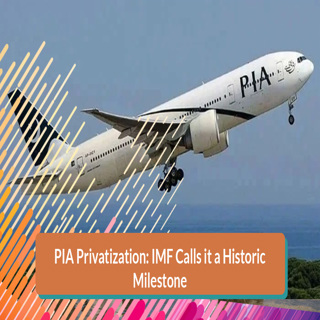
The International Monetary Fund (IMF) has officially welcomed the privatization of Pakistan International Airlines (PIA), labeling it a pivotal "milestone" in Pakistan’s economic reform journey. This announcement marks a turning point not just for the national economy, but for the millions of travelers who rely on the national carrier.
IMF Support Boosts Economic Confidence
In a statement issued this week, Mahir Binici, the IMF’s Resident Representative in Pakistan, confirmed that the successful privatization fulfills a critical structural benchmark of Pakistan’s $7 billion Extended Fund Facility (EFF). The IMF views the transfer of the airline to the private sector as a necessary step to halt the multi-billion rupee annual losses incurred by State-Owned Enterprises (SOEs).
"This transaction signals a shift towards a more competitive and efficient market economy," Binici noted, emphasizing that the move will boost foreign investor confidence in Pakistan’s broader privatization roadmap.
The Deal: Arif Habib Group Takes the Helm
The successful bid was secured by a consortium led by the renowned Arif Habib Group, acquiring a 75% controlling stake for Rs 135 billion ($486 million). This deal comes after intense negotiations and represents one of the largest privatization transactions in Pakistan’s history.
What PIA Privatization Means for Travelers (Analysis by GoTravel.pk)
For the customers of GoTravel.pk, the biggest question is: How does this affect my travel plans? The privatization is expected to trigger a massive overhaul of the airline's operations.
Here is why this is a game-changer for Pakistani aviation:
1. Fleet Modernization & New Aircraft
The new management has outlined an ambitious investment plan, pledging an injection of Rs 125 billion over the next three years. This capital is earmarked for:
Retiring aging aircraft that caused frequent technical delays.
Acquiring modern, fuel-efficient planes (potentially Airbus A320neos or Boeing 737 MAXs).
Upgrading cabin interiors for Economy and Business Class passengers.
2. Revival of Europe & UK Routes
One of the primary goals of the privatized entity is to fully restore direct flights to the UK, Europe, and the USA. With the private sector’s compliance standards, the airline is expected to fast-track full clearance from the European Union Aviation Safety Agency (EASA), opening up lucrative routes to London, Manchester, Paris, and New York.
3. Competitive Ticket Prices
With new management focused on efficiency, operational costs are expected to drop. While immediate price drops are rare, a more competitive PIA will force other airlines (like Emirates, Qatar Airways, and SereneAir) to keep their fares competitive—ultimately benefiting the Pakistani traveler.
Frequently Asked Questions (FAQs)
Q: Will PIA ticket prices decrease after privatization?
A: In the short term, prices may remain stable as the airline upgrades its services. However, as operational efficiency improves and more routes open, competitive pricing is expected to follow.
Q: Is PIA still a government airline?
A: No. The government has sold a 75% stake, meaning the management control now lies with the private consortium. The government retains a minority share to protect national interests.
Q: When will PIA resume flights to the UK?
A: With the privatization deal complete, the new management is prioritizing EASA compliance. Industry experts predict a full resumption of direct UK/EU flights within the year 2026.
Conclusion
The privatization of PIA is not just a financial headline; it is the dawn of a new era for Pakistan's aviation industry. As the national carrier sheds its financial burdens and embraces modernization, GoTravel.pk remains committed to keeping you updated.
Planning a trip? Whether it's a domestic flight to Skardu or an international journey to Dubai, compare prices and book your tickets instantly on GoTravel.pk.
-
 08-May-2026
PIA Announces 40% Discount on Flights to Saudi Arabia for Pakistani Travelers Arabia
-
 16-Mar-2026
Global Flight Disruptions in 2026 Increase Demand for Alternative Travel Routes
-
 01-Jan-2026
Best Airline Options for Umrah Packages from Lahore in 2026
-
 25-Nov-2025
Shalimar Express Offers Smoother Travel Between Lahore and Karachi
-
 14-Oct-2025
Saudi Budget Airline Expands Operations – New Direct Flights to Lahore Announced
-
26-Mar-2026
Hajj 2026 Flight Operations Begin April 18 as Pakistan Finalizes Pilgrim Travel Schedule